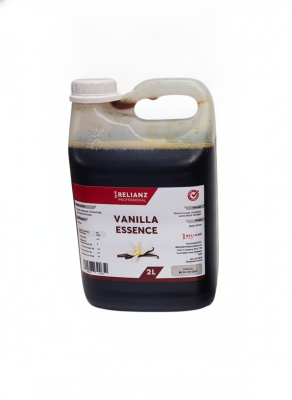

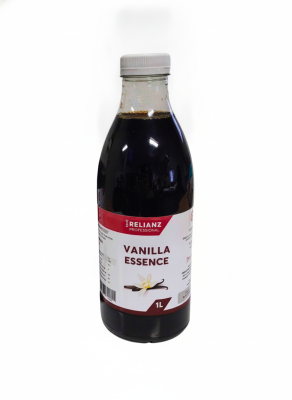
Vanilla Essence 1L
R99.95
Typical values from reference food data. Actual products may vary. (per 100 g)
| Nutrient | per 100 g |
|---|---|
| Energy (kJ) | 1,170.0 |
| Energy (kcal) | 280.0 |
| Protein (g) | 11.7 |
| Carbohydrate (g) | 29.9 |
| of which total sugar (g) | 3.2 |
| Total fat (g) | 12.6 |
| of which saturated fat (g) | 5.2 |
| Dietary fibre (g) | 1.7 |
| Sodium (mg) | 624.0 |
General ingredient information for shoppers. Not a laboratory analysis of this product and not medical advice.
Wheat flour is a staple ingredient made by grinding wheat grains. It's widely used in baking for breads, cakes, pastries, and pasta due to its gluten content, which provides structure and elasticity to dough. Different types of wheat flour vary in protein content, affecting their baking properties.
| Typical nutrients | Typical per 100 g |
|---|---|
| Carbohydrates | 76.0 g |
| Protein | 10.0 g |
| Fiber | 3.0 g |
Water is an essential, calorie-free liquid vital for all known forms of life. In cooking and baking, it's used as a solvent, to hydrate ingredients, and to create steam for cooking. It's also crucial for maintaining proper body functions.
Yeast is a single-celled microorganism used as a leavening agent in baking, particularly for bread. It ferments sugars in dough, producing carbon dioxide gas and alcohol, which causes the dough to rise and contributes to the bread's flavor and texture. It's also used in brewing alcoholic beverages.
| Typical nutrients | Typical per 100 g |
|---|---|
| Protein | 13.0 g |
| Fiber | 7.0 g |
Salt is a mineral composed primarily of sodium chloride, used as a seasoning and preservative in food. It enhances flavor and is essential for many bodily functions.
| Typical nutrients | Typical per 100 g |
|---|---|
| Sodium | 38,758.0 mg |
Sugar, typically granulated sucrose, is a common sweetener used in many foods and beverages. It provides a sweet taste and can also contribute to texture and browning in baked goods. It is a source of carbohydrates.
| Typical nutrients | Typical per 100 g |
|---|---|
| Carbohydrates | 100.0 g |
Vegetable oil is a cooking oil made from plants. It's commonly used for frying, baking, and in salad dressings. It helps make food moist and can add a subtle flavor.
| Typical nutrients | Typical per 100 g |
|---|---|
| Fat | 100.0 g |
No major concerns noted for this ingredient.
Preservatives are substances added to food products to prevent spoilage from microbial growth or undesirable chemical changes. They help maintain freshness, safety, and extend the shelf life of many packaged foods.
No major concerns noted for this ingredient.