

Typical Nutritional Information
Typical values from reference food data. Actual products may vary. (per 100 g)
| Nutrient | per 100 g |
|---|---|
| Energy (kJ) | 1,992.0 |
| Energy (kcal) | 476.0 |
| Protein (g) | 4.8 |
| Carbohydrate (g) | 70.2 |
| of which total sugar (g) | 36.0 |
| Total fat (g) | 21.5 |
| of which saturated fat (g) | 4.1 |
| Dietary fibre (g) | 3.2 |
| Sodium (mg) | 528.0 |
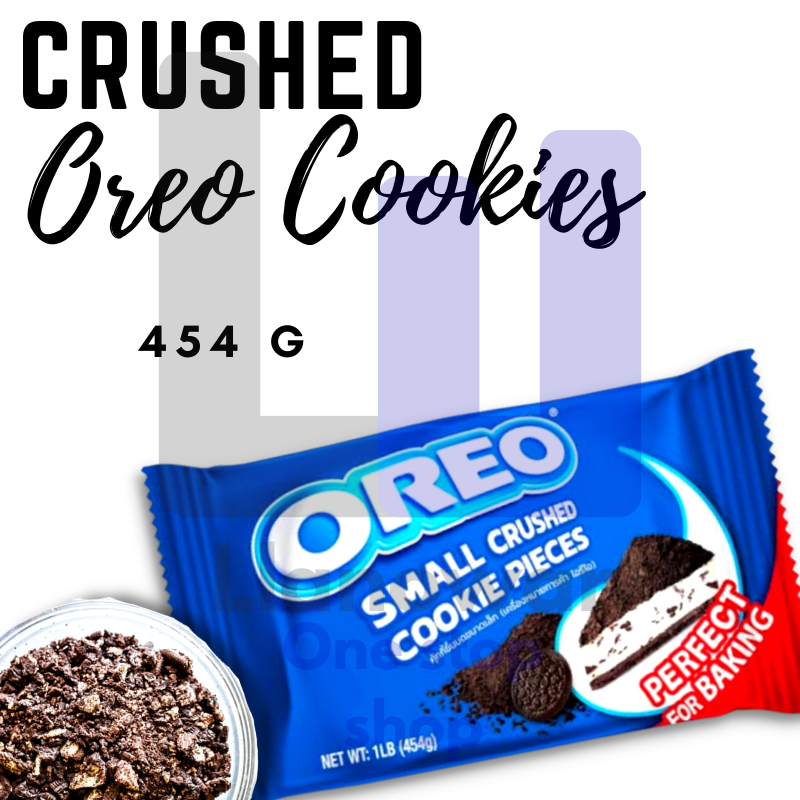
Oreo
Oreo Small Crushed Monde 12x454g
☆☆☆☆☆
No reviews yet.
D
NutriRating
40/100 · Typical values from reference food data. Actual products may vary.
4.8g
Protein (g)
3.2g
Dietary fibre (g)
36.0g
of which total sugar (g)
528mg
Sodium (mg)
R1,177.95
Oreo crush refers to pre-crushed Oreo cookie crumbs or popular Oreo-based desserts and bubble tea drinks.
Common Uses & Products
• Baking & Desserts: Pre-packaged crushed Oreo crumbs (such as 454g bags) or cookies crushed with a rolling pin are used for...
In stock
7-day satisfaction guarantee
Dispatched within one working day of payment
Shipping calculated at checkout
Guaranteed safe & secure checkout
Oreo crush refers to pre-crushed Oreo cookie crumbs or popular Oreo-based desserts and bubble tea drinks.
Common Uses & Products
• Baking & Desserts: Pre-packaged crushed Oreo crumbs (such as 454g bags) or cookies crushed with a rolling pin are used for cheesecake crusts, brownies, fudge, and ice cream toppings.
• Cakes & Slices: Signature items like the Bakes & Blooms Oreo Crush Cake feature Oreo-speckled sponge and buttercream.
• Drinks & Shakes: Shops like Each-a-Cup serve blended Oreo Crush bubble tea and milkshakes.
Common Uses & Products
• Baking & Desserts: Pre-packaged crushed Oreo crumbs (such as 454g bags) or cookies crushed with a rolling pin are used for cheesecake crusts, brownies, fudge, and ice cream toppings.
• Cakes & Slices: Signature items like the Bakes & Blooms Oreo Crush Cake feature Oreo-speckled sponge and buttercream.
• Drinks & Shakes: Shops like Each-a-Cup serve blended Oreo Crush bubble tea and milkshakes.
Ingredients
General ingredient information for shoppers. Not a laboratory analysis of this product and not medical advice.
enriched flour 2
Enriched flour is wheat flour that has had nutrients added back in after processing. It's a common ingredient in many baked goods like bread, cakes, and cookies, providing structure and texture.
| Typical nutrients | Typical per 100 g |
|---|---|
| Carbohydrates | 76.0 g |
| Protein | 10.0 g |
| Iron | 4.6 mg |
| Niacin (B3) | 5.9 mg |
| Thiamin (B1) | 0.6 mg |
| Riboflavin (B2) | 0.4 mg |
| Folic Acid | 160.0 mcg |
Good for
- Provides energy for daily activities.
- Contributes to the structure of many foods.
Watch outs
No major concerns noted for this ingredient.
sugar 1 2
Sugar, typically granulated sucrose, is a common sweetener used in many foods and beverages. It provides a sweet taste and can also contribute to texture and browning in baked goods. It is a source of carbohydrates.
| Typical nutrients | Typical per 100 g |
|---|---|
| Carbohydrates | 100.0 g |
Good for
- Provides energy
Watch outs
- High intake may contribute to weight gain
- Excessive consumption may lead to dental issues
palm and/or canola oil 2
Palm oil and canola oil are vegetable oils commonly used in food production for cooking, baking, and as an ingredient in processed foods. They contribute to texture and can extend shelf life.
| Typical nutrients | Typical per 100 g |
|---|---|
| Fat | 100.0 g |
Good for
- Provides a source of energy.
- Can help carry fat-soluble vitamins in the diet.
Watch outs
No major concerns noted for this ingredient.
cocoa powder 2 2
Cocoa powder is made from cocoa beans that have been fermented, dried, roasted, and ground, with most of the cocoa butter removed. It provides a rich chocolate flavor and dark color to baked goods, desserts, and beverages. It can be natural or Dutch-processed, which affects its acidity and color.
| Typical nutrients | Typical per 100 g |
|---|---|
| Carbohydrates | 58.0 g |
| Protein | 20.0 g |
| Fiber | 33.0 g |
| Iron | 14.0 mg |
Good for
- Adds rich chocolate flavor
- Good source of fiber and minerals
Watch outs
- Can be bitter if not balanced with sweeteners
- Contains caffeine
high fructose corn syrup 1 1
High fructose corn syrup is a sweetener made from corn starch. It's often used in beverages, baked goods, and other processed foods to add sweetness and moisture.
| Typical nutrients | Typical per 100 g |
|---|---|
| Carbohydrates | 76.0 g |
Good for
- Provides sweetness to foods and beverages.
Watch outs
- High intake of added sugars, including high fructose corn syrup, is often discouraged as part of a balanced diet.
leavening 1
Leavening refers to ingredients like baking soda or baking powder that help baked goods rise and become light and airy. They create gas bubbles within dough or batter during baking.
Good for
- Helps baked goods achieve a light and fluffy texture.
Watch outs
No major concerns noted for this ingredient.
corn starch 2 2
Corn starch is a fine, white powder made from the endosperm of corn kernels. It's primarily used as a thickening agent in sauces, gravies, soups, and desserts. It can also be used to tenderize meats or as a gluten-free alternative in some baking recipes.
| Typical nutrients | Typical per 100 g |
|---|---|
| Carbohydrates | 91.0 g |
Good for
- Excellent thickening agent
- Gluten-free option for thickening
Watch outs
- High in carbohydrates
- Can clump if not mixed properly before heating
salt 2 2
Salt is a mineral composed primarily of sodium chloride, used as a seasoning and preservative in food. It enhances flavor and is essential for many bodily functions.
| Typical nutrients | Typical per 100 g |
|---|---|
| Sodium | 38,758.0 mg |
Good for
- Essential for fluid balance and nerve function
- Enhances food flavor
Watch outs
- Excessive intake can contribute to high blood pressure
- Limit intake for heart health
soy lecithin 2 1
Soy lecithin is a natural emulsifier derived from soybeans. It's commonly used in chocolate, baked goods, and margarine to improve texture, extend shelf life, and help ingredients blend smoothly.
| Typical nutrients | Typical per 100 g |
|---|---|
| Choline | 350.0 mg |
Good for
- Acts as an emulsifier, improving food texture
- May support brain health due to choline content
Watch outs
- Individuals with soy allergies should avoid products containing soy lecithin.
peppermint oil 1 1
Peppermint oil is an essential oil extracted from the peppermint plant. It's used as a flavoring agent in candies, chewing gum, and some beverages, providing a cool, minty taste.
Good for
- Adds a refreshing minty flavor to foods.
Watch outs
- Typically used in very small amounts as a flavoring.
color 1
Color, or food coloring, is added to foods to enhance their visual appeal. It can make foods look more vibrant and appetizing, or restore color lost during processing. Food colors can be derived from natural sources or be artificial.
Good for
- Enhances visual appeal of food
Watch outs
No major concerns noted for this ingredient.
chocolate 2 1
Chocolate is a food product made from roasted and ground cacao seeds. It's widely enjoyed as a confection and used as an ingredient in desserts, beverages, and other sweet treats.
| Typical nutrients | Typical per 100 g |
|---|---|
| Carbohydrates | 60.0 g |
| Fat | 30.0 g |
| Protein | 5.0 g |
| Iron | 2.5 mg |
| Magnesium | 100.0 mg |
Good for
- Provides a source of energy and enjoyment.
- Contains some minerals like iron and magnesium.
Watch outs
- Many chocolate products contain added sugars and fats, which should be consumed in moderation as part of a balanced diet.
flavouring 2 1
Flavourings are substances added to food to enhance or impart a specific taste or aroma. They can be natural, derived from plants or animals, or artificial, created synthetically. Flavourings are used in a wide range of products from snacks to beverages.
Good for
- Enhances the taste and aroma of food products
- Creates unique and appealing flavor profiles
Watch outs
- Some individuals may be sensitive to certain flavourings.
You May Also Like
Related Products
New
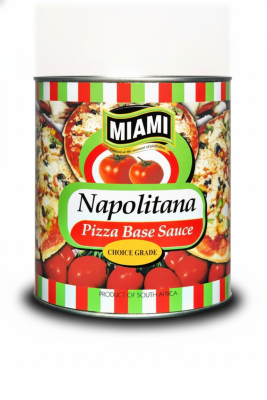
Pizza Base Miami
R183.94
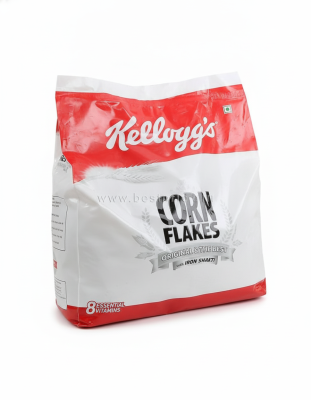
Kelloggs Corn Flakes 1kg
R114.94
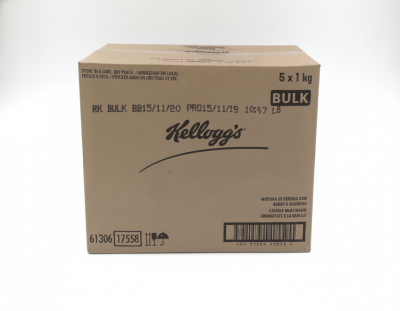
Kelloggs Corn Flakes 12 x 1kg
R1,356.94
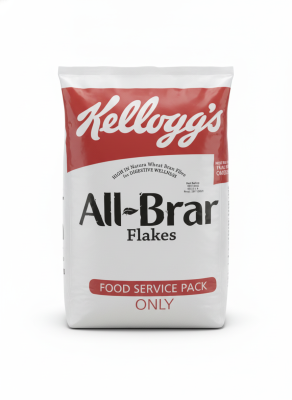
Kelloggs All-Bran Flakes 1kg
R99.95
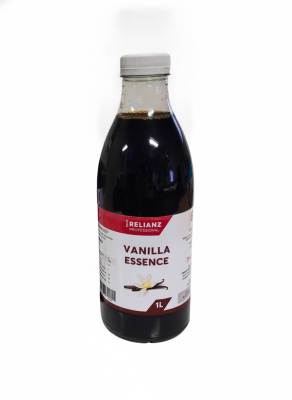
Vanilla Essence 1L
R99.95
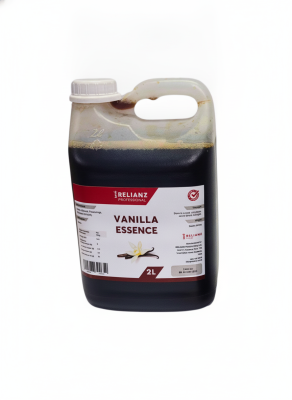
Vanilla Essence 2L
R144.95
—
—
—
Choose a variant
—
Choose a variant
—
—