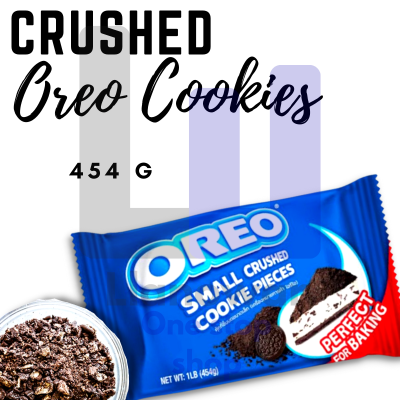
Oreo Small Crushed Monde 12x454g
R1,024.95

Typical values from reference food data. Actual products may vary. (per 100 g)
| Nutrient | per 100 g |
|---|---|
| Energy (kJ) | 1,920.0 |
| Energy (kcal) | 459.0 |
| Protein (g) | 5.4 |
| Carbohydrate (g) | 72.9 |
| of which total sugar (g) | 45.9 |
| Total fat (g) | 18.9 |
| of which saturated fat (g) | 9.5 |
| Dietary fibre (g) | 2.0 |
| Sodium (mg) | 230.0 |
General ingredient information for shoppers. Not a laboratory analysis of this product and not medical advice.
Sugar, typically granulated sucrose, is a common sweetener used in many foods and beverages. It provides a sweet taste and can also contribute to texture and browning in baked goods. It is a source of carbohydrates.
| Typical nutrients | Typical per 100 g |
|---|---|
| Carbohydrates | 100.0 g |
Glucose syrup is a food syrup made from the hydrolysis of starch, often corn starch. It's used as a sweetener, thickener, and to prevent crystallization in various food products like candies, baked goods, and beverages.
| Typical nutrients | Typical per 100 g |
|---|---|
| Carbohydrates | 78.0 g |
Milk solids are the dried components of milk, excluding water and fat. They contribute to the creamy texture and flavor of many dairy products, chocolates, and baked goods. They are a source of protein and calcium.
| Typical nutrients | Typical per 100 g |
|---|---|
| Protein | 36.0 g |
| Calcium | 1,300.0 mg |
Cocoa mass, also known as cocoa liquor, is the pure, unsweetened chocolate in solid or semi-solid form. It's made from cocoa beans that have been fermented, roasted, and ground, and it's the base for all chocolate products. It provides the rich, deep chocolate flavor.
| Typical nutrients | Typical per 100 g |
|---|---|
| Fat | 50.0 g |
| Protein | 13.0 g |
| Fiber | 15.0 g |
| Iron | 13.0 mg |
| Magnesium | 292.0 mg |
Cocoa butter is the natural fat extracted from the cocoa bean. It's a pale-yellow, edible fat that gives chocolate its smooth texture and melt-in-your-mouth quality. It's also used in some skincare products.
| Typical nutrients | Typical per 100 g |
|---|---|
| Fat | 100.0 g |
Vegetable fat, often derived from plants like palm, coconut, or sunflower, is used in cooking, baking, and food manufacturing. It contributes to texture, flavor, and can be a source of energy. The specific fatty acid profile varies by source.
| Typical nutrients | Typical per 100 g |
|---|---|
| Fat | 100.0 g |
Invert sugar is a mixture of glucose and fructose, made by breaking down sucrose (table sugar). It's sweeter than regular sugar and helps keep baked goods moist, prevents crystallization in candies, and improves texture in various foods.
| Typical nutrients | Typical per 100 g |
|---|---|
| Carbohydrates | 76.0 g |
Emulsifiers are food additives that help mix ingredients that normally don't blend well, like oil and water. They create a smooth, stable mixture, preventing separation in products such as mayonnaise, salad dressings, and chocolate.
No major concerns noted for this ingredient.
Salt is a mineral composed primarily of sodium chloride, used as a seasoning and preservative in food. It enhances flavor and is essential for many bodily functions.
| Typical nutrients | Typical per 100 g |
|---|---|
| Sodium | 38,758.0 mg |
Flavourings are substances added to food to enhance or impart a specific taste or aroma. They can be natural, derived from plants or animals, or artificial, created synthetically. Flavourings are used in a wide range of products from snacks to beverages.