🚚 Free shipping on orders over R800
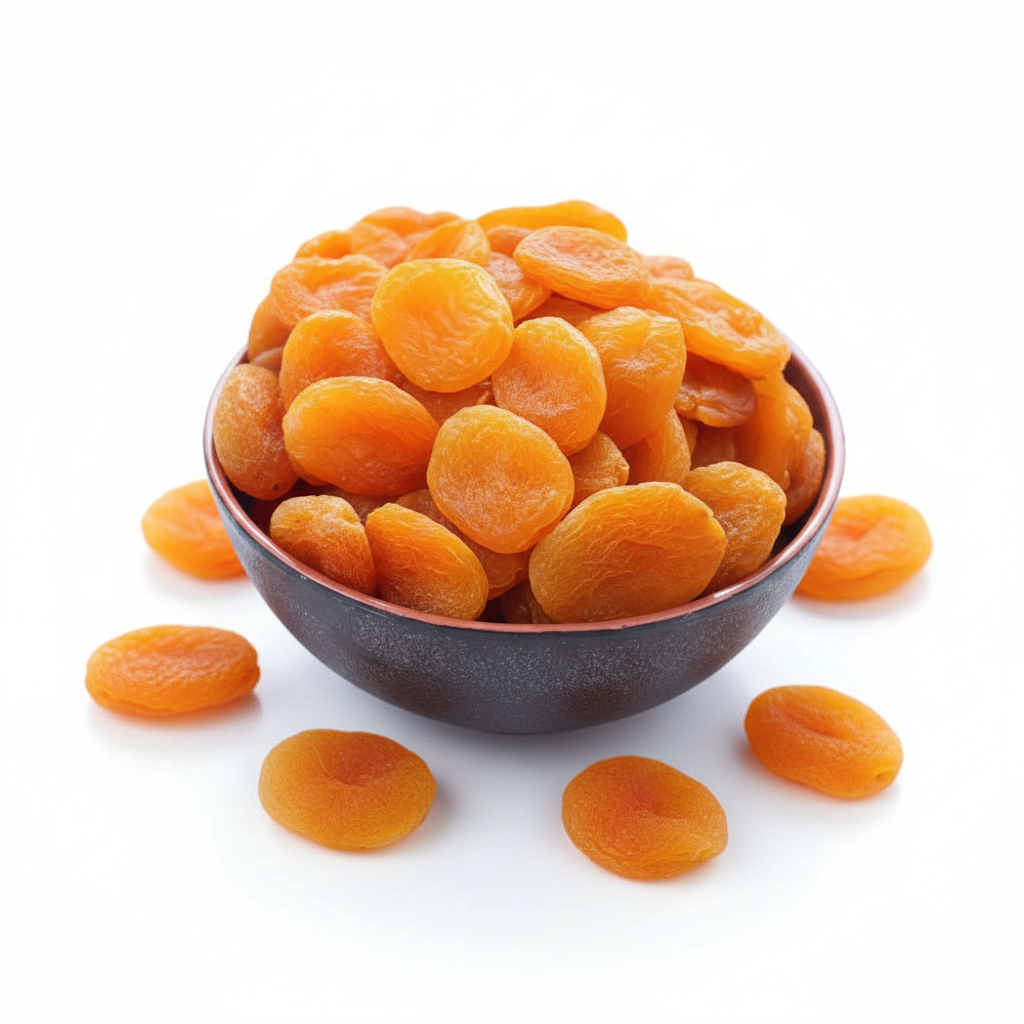
Apricots Turkish 1kg

Typical Nutritional Information

A NutriRating

Typical values from reference food data. Actual products may vary. (per 100 g)

Nutrient per 100 g
Energy (kJ) 201.0
Energy (kcal) 48.0
Protein (g) 1.4
Carbohydrate (g) 11.1
of which total sugar (g) 9.2
Total fat (g) 0.4
of which saturated fat (g) 0.0
Dietary fibre (g) 2.0
Sodium (mg) 1.0
MorningStar

Apricots Turkish 1kg

☆☆☆☆☆ No reviews yet.
A
NutriRating
100/100 · Typical values from reference food data. Actual products may vary.
1.4g
Protein (g)
2.0g
Dietary fibre (g)
9.2g
of which total sugar (g)
1mg
Sodium (mg)
R199.95
Yellowish-orange Mediterranean (also known as Turkish) apricots are dried whole and then pitted. ... When eaten on their own, the Mediterranean apricots were described as juicy, plump, and more sweet than tart, while the California apricots were deemed slightl...
In stock
Share:
7-day satisfaction guarantee
Dispatched within one working day of payment
Shipping calculated at checkout
Guaranteed safe & secure checkout
Yellowish-orange Mediterranean (also known as Turkish) apricots are dried whole and then pitted. ... When eaten on their own, the Mediterranean apricots were described as juicy, plump, and more sweet than tart, while the California apricots were deemed slightly chewy but praised for their lively, ultraconcentrated flavor.

Ingredients

General ingredient information for shoppers. Not a laboratory analysis of this product and not medical advice.

apricots 2

Apricots are small, orange-yellow fruits with a velvety skin and a sweet, slightly tart flavor. They can be enjoyed fresh, dried, or used in jams, desserts, and savory dishes.

Typical nutrients Typical per 100 g
Vitamin A 96.0 mcg
Vitamin C 10.0 mg
Potassium 259.0 mg
Fiber 2.0 g

Good for

  • A good source of Vitamin A, which is important for vision.
  • Contains Vitamin C, an antioxidant.

Watch outs

No major concerns noted for this ingredient.

sulfur dioxide 1

Sulfur dioxide is a gas often used as a preservative in many foods and beverages, especially dried fruits, wines, and some processed vegetables. It helps prevent spoilage from bacteria and molds, and also keeps foods from browning. You'll usually find it listed as 'sulfites' on food labels.

Good for

No standout benefits listed for this ingredient.

Watch outs

  • Some people, especially those with asthma, may be sensitive to sulfites and experience allergic-type reactions like wheezing or hives. It's generally recognized as safe for most people in small amounts.
You May Also Like

Related Products