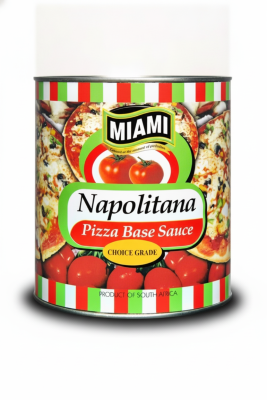
New
Pizza Base Miami
R179.95
Typical values from reference food data. Actual products may vary. (per 100 g)
| Nutrient | per 100 g |
|---|---|
| Energy (kJ) | 1,598.0 |
| Energy (kcal) | 382.0 |
| Protein (g) | 4.6 |
| Carbohydrate (g) | 77.0 |
| of which total sugar (g) | 65.5 |
| Total fat (g) | 8.1 |
| of which saturated fat (g) | 2.5 |
| Dietary fibre (g) | 0.0 |
| Sodium (mg) | 245.0 |
General ingredient information for shoppers. Not a laboratory analysis of this product and not medical advice.
Sugar, typically granulated sucrose, is a common sweetener used in many foods and beverages. It provides a sweet taste and can also contribute to texture and browning in baked goods. It is a source of carbohydrates.
| Typical nutrients | Typical per 100 g |
|---|---|
| Carbohydrates | 100.0 g |
Vegetable fat, often derived from plants like palm, coconut, or sunflower, is used in cooking, baking, and food manufacturing. It contributes to texture, flavor, and can be a source of energy. The specific fatty acid profile varies by source.
| Typical nutrients | Typical per 100 g |
|---|---|
| Fat | 100.0 g |
Milk solids are the dried components of milk, excluding water and fat. They contribute to the creamy texture and flavor of many dairy products, chocolates, and baked goods. They are a source of protein and calcium.
| Typical nutrients | Typical per 100 g |
|---|---|
| Protein | 36.0 g |
| Calcium | 1,300.0 mg |
Emulsifiers are food additives that help to mix ingredients that normally wouldn't blend, like oil and water. They create a smooth, consistent texture in foods such as mayonnaise, salad dressings, and ice cream, preventing separation.
No major concerns noted for this ingredient.
Flavourings are substances added to food to enhance or impart a specific taste or aroma. They can be natural, derived from plants or animals, or artificial, created synthetically. Flavourings are used in a wide range of products from snacks to beverages.
Color, or food coloring, is added to foods to enhance their visual appeal. It can make foods look more vibrant and appetizing, or restore color lost during processing. Food colors can be derived from natural sources or be artificial.
No major concerns noted for this ingredient.