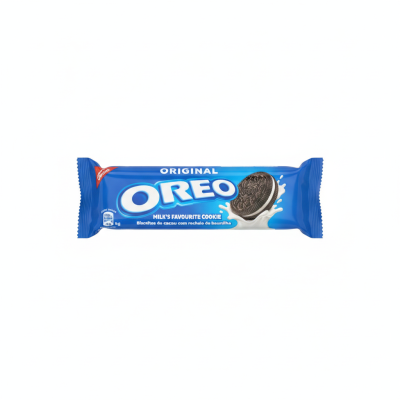
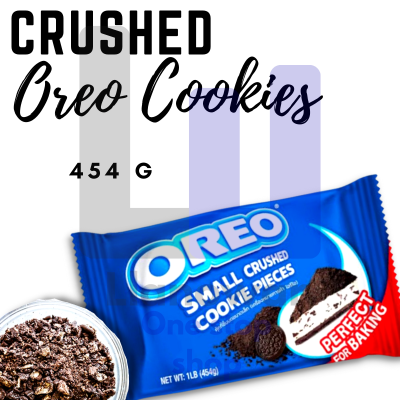
Oreo Small Crushed Monde 12x454g
R1,024.95
Typical values from reference food data. Actual products may vary. (per 100 g)
| Nutrient | per 100 g |
|---|---|
| Energy (kJ) | 2,423.0 |
| Energy (kcal) | 579.0 |
| Protein (g) | 28.0 |
| Carbohydrate (g) | 17.5 |
| of which total sugar (g) | — |
| Total fat (g) | 49.0 |
| of which saturated fat (g) | 7.6 |
| Dietary fibre (g) | 8.9 |
| Sodium (mg) | 433.0 |
General ingredient information for shoppers. Not a laboratory analysis of this product and not medical advice.
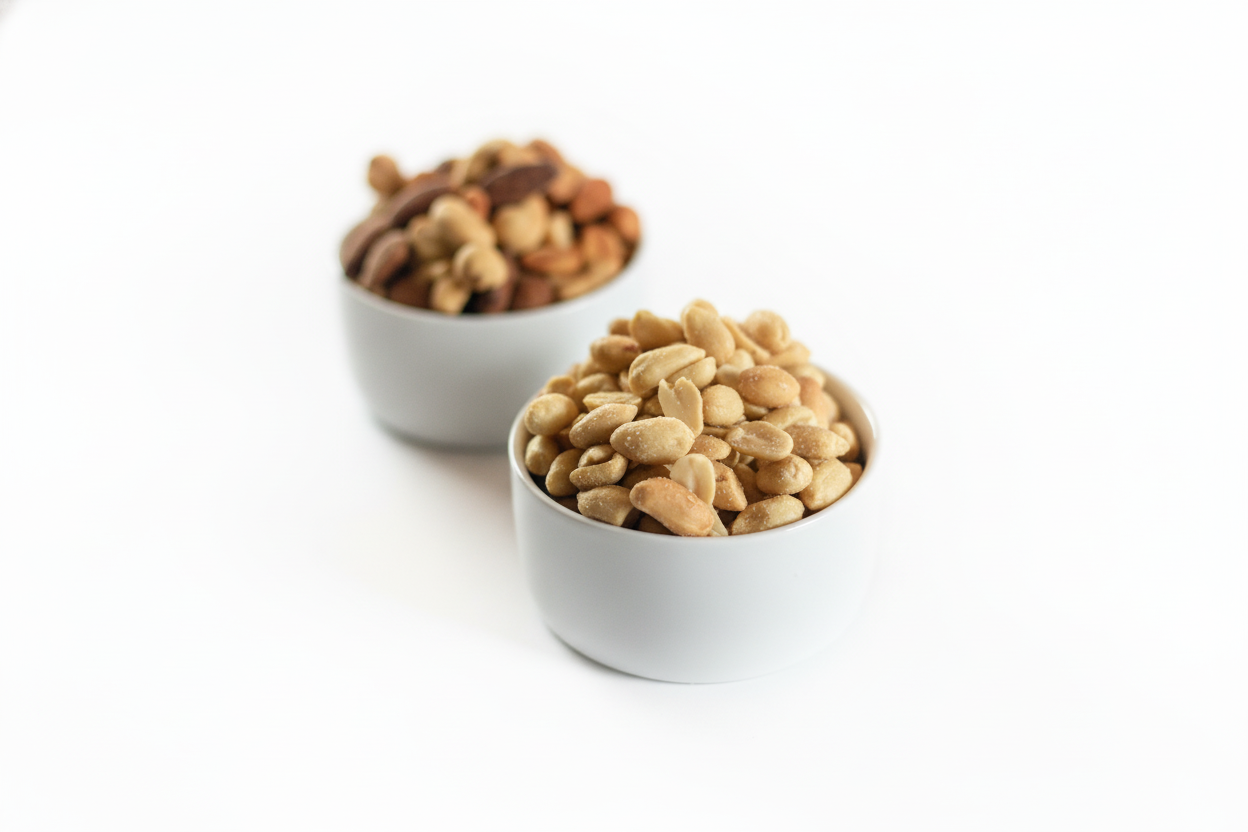
Peanuts are legumes, not true nuts, with a distinctive nutty flavor and crunchy texture. They are widely consumed as snacks, in butter, or as an ingredient in various cuisines.
| Typical nutrients | Typical per 100 g |
|---|---|
| Protein | 26.0 g |
| Fat | 49.0 g |
| Carbohydrates | 16.0 g |
| Niacin | 12.1 mg |
Salt is a mineral composed primarily of sodium chloride, used as a seasoning and preservative in food. It enhances flavor and is essential for many bodily functions.
| Typical nutrients | Typical per 100 g |
|---|---|
| Sodium | 38,758.0 mg |
Vegetable oil is a cooking oil made from plants. It's commonly used for frying, baking, and in salad dressings. It helps make food moist and can add a subtle flavor.
| Typical nutrients | Typical per 100 g |
|---|---|
| Fat | 100.0 g |
No major concerns noted for this ingredient.