
New
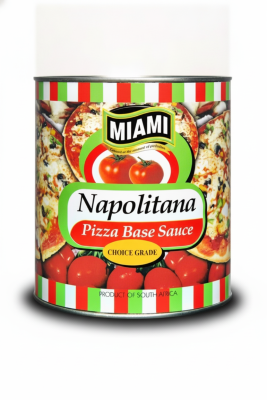
Pizza Base Miami
R179.95
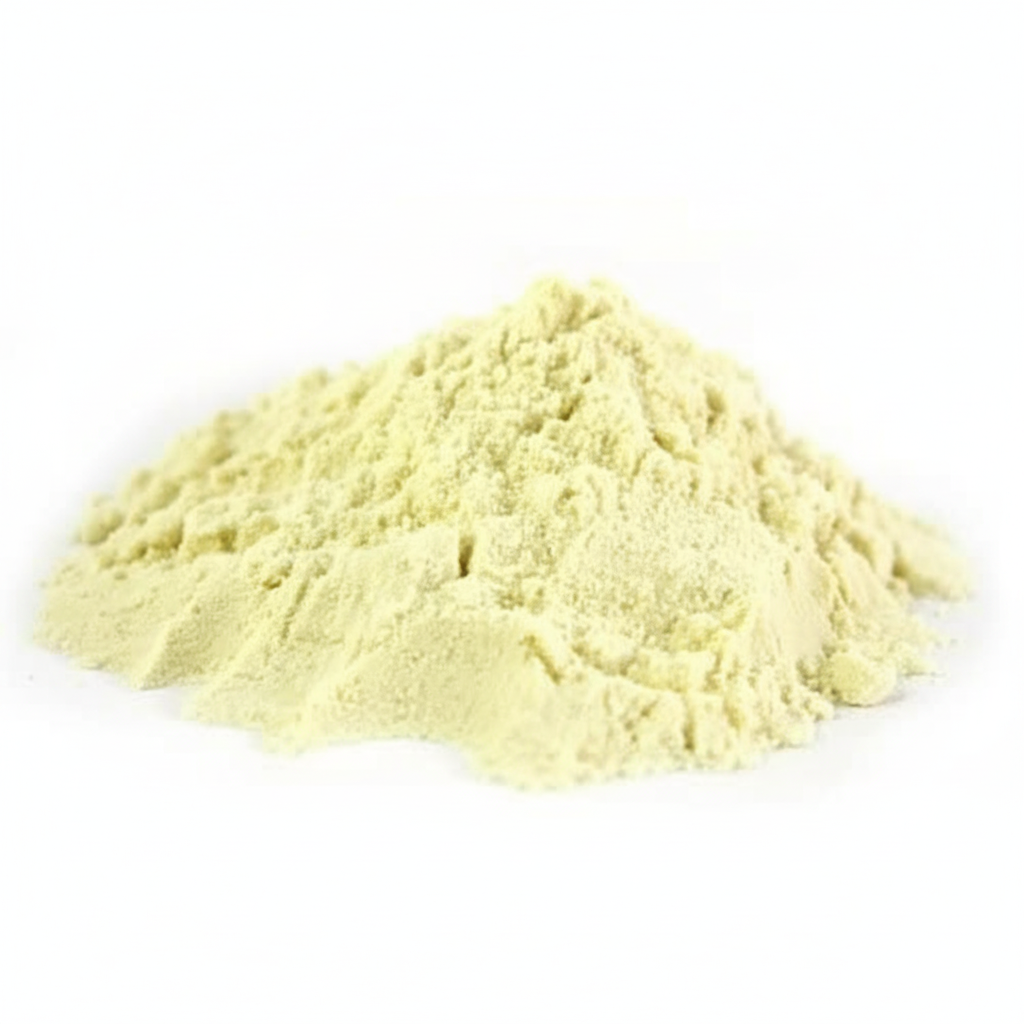
Typical values from reference food data. Actual products may vary. (per 100 g)
| Nutrient | per 100 g |
|---|---|
| Energy (kJ) | 1,715.0 |
| Energy (kcal) | 410.0 |
| Protein (g) | 6.9 |
| Carbohydrate (g) | 82.8 |
| of which total sugar (g) | — |
| Total fat (g) | 6.4 |
| of which saturated fat (g) | 2.0 |
| Dietary fibre (g) | 0.0 |
| Sodium (mg) | 281.0 |
General ingredient information for shoppers. Not a laboratory analysis of this product and not medical advice.
Corn starch is a fine, white powder made from the endosperm of corn kernels. It's primarily used as a thickening agent in sauces, gravies, soups, and desserts. It can also be used to tenderize meats or as a gluten-free alternative in some baking recipes.
| Typical nutrients | Typical per 100 g |
|---|---|
| Carbohydrates | 91.0 g |
Salt is a mineral composed primarily of sodium chloride, used as a seasoning and preservative in food. It enhances flavor and is essential for many bodily functions.
| Typical nutrients | Typical per 100 g |
|---|---|
| Sodium | 38,758.0 mg |
Flavourings are substances added to food to enhance or impart a specific taste or aroma. They can be natural, derived from plants or animals, or artificial, created synthetically. Flavourings are used in a wide range of products from snacks to beverages.
Annatto is a natural food coloring derived from the seeds of the achiote tree. It's commonly used to give foods a yellow to orange color. You'll often find it in cheeses, butter, and other dairy products, as well as in some baked goods and snacks.
Tartrazine, also known as E102 or Yellow 5, is a synthetic lemon-yellow azo dye. It's widely used as a food coloring in many processed foods and beverages. You might see it in soft drinks, candies, snacks, and some baked goods.
Sunset Yellow FCF, also known as E110 or Orange Yellow S, is a synthetic orange azo dye. It's a common food coloring used to give products an orange or yellowish-orange hue. You can find it in many processed foods, including soft drinks, snacks, and some desserts.