
Oreo Small Crushed Monde 12x454g
R1,024.95
Typical values from reference food data. Actual products may vary. (per 100 g)
| Nutrient | per 100 g |
|---|---|
| Energy (kJ) | 1,336.0 |
| Energy (kcal) | 319.0 |
| Protein (g) | 2.5 |
| Carbohydrate (g) | 78.6 |
| of which total sugar (g) | 66.3 |
| Total fat (g) | 1.2 |
| of which saturated fat (g) | 0.3 |
| Dietary fibre (g) | 2.4 |
| Sodium (mg) | 162.0 |
General ingredient information for shoppers. Not a laboratory analysis of this product and not medical advice.
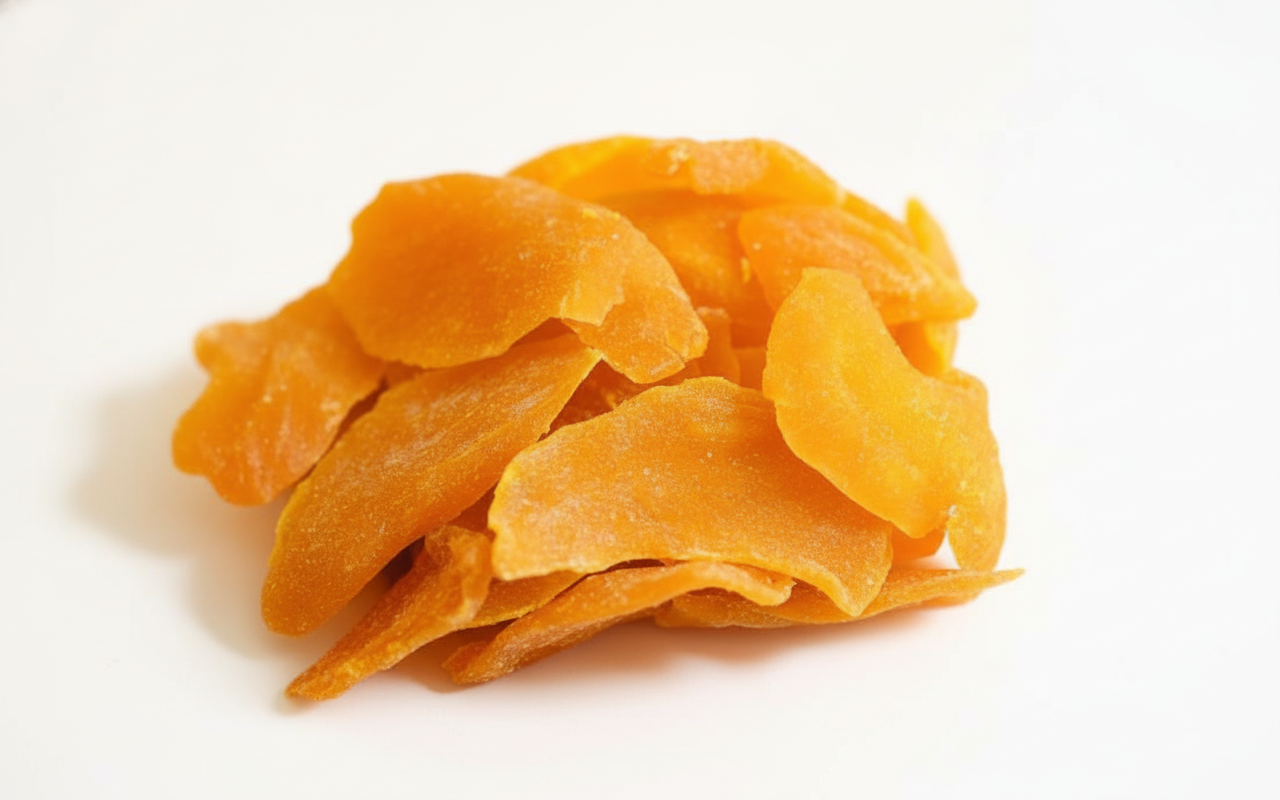
Mangoes are sweet, juicy tropical fruits with a vibrant color and distinct aroma. They are delicious eaten fresh, in smoothies, desserts, or savory dishes.
| Typical nutrients | Typical per 100 g |
|---|---|
| Carbohydrates | 15.0 g |
| Vitamin C | 36.4 mg |
| Vitamin A | 54.0 mcg |
Sugar, typically granulated sucrose, is a common sweetener used in many foods and beverages. It provides a sweet taste and can also contribute to texture and browning in baked goods. It is a source of carbohydrates.
| Typical nutrients | Typical per 100 g |
|---|---|
| Carbohydrates | 100.0 g |
Citric acid is a natural acid found in citrus fruits like lemons and limes. It's widely used in the food industry as a natural preservative, a flavoring agent to add a sour taste, and an emulsifier.
Sulfur dioxide is a gas often used as a preservative in many foods and beverages, especially dried fruits, wines, and some processed vegetables. It helps prevent spoilage from bacteria and molds, and also keeps foods from browning. You'll usually find it listed as 'sulfites' on food labels.
No standout benefits listed for this ingredient.