New
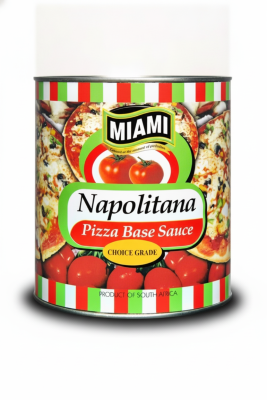
Pizza Base Miami
R179.95
Typical values from reference food data. Actual products may vary. (per 100 g)
| Nutrient | per 100 g |
|---|---|
| Energy (kJ) | 1,431.0 |
| Energy (kcal) | 342.0 |
| Protein (g) | 5.8 |
| Carbohydrate (g) | 69.3 |
| of which total sugar (g) | 7.8 |
| Total fat (g) | 12.6 |
| of which saturated fat (g) | 6.5 |
| Dietary fibre (g) | 14.8 |
| Sodium (mg) | 52.0 |
General ingredient information for shoppers. Not a laboratory analysis of this product and not medical advice.
Cinnamon is a popular spice derived from the inner bark of several tree species from the genus Cinnamomum. It has a warm, sweet, and woody aroma and flavor. It's widely used in baking, desserts, beverages, and savory dishes around the world.
| Typical nutrients | Typical per 100 g |
|---|---|
| Fiber | 53.0 g |
| Manganese | 17.0 mg |
Coriander refers to both the leaves (cilantro) and the seeds of the same plant. Coriander seeds have a warm, citrusy, and slightly sweet flavor, often used in curries, spice rubs, and pickling. Cilantro leaves have a fresh, pungent, and citrusy taste, popular in Mexican, Indian, and Thai cuisines.
| Typical nutrients | Typical per 100 g |
|---|---|
| Fiber | 42.0 g |
| Iron | 16.0 mg |
Caraway seeds have a distinctive pungent, aniselike, and slightly bitter flavor. They are a common ingredient in rye bread, sauerkraut, and some cheeses. Caraway is also used in stews, soups, and to flavor spirits like aquavit.
| Typical nutrients | Typical per 100 g |
|---|---|
| Fiber | 38.0 g |
| Iron | 16.0 mg |
No major concerns noted for this ingredient.
Nutmeg is a warm, sweet, and aromatic spice derived from the seed of a tropical tree. It's commonly used in both sweet and savory dishes, including baked goods, custards, sauces, and even in some meat preparations. A little goes a long way with nutmeg.
| Typical nutrients | Typical per 100 g |
|---|---|
| Fiber | 20.0 g |
| Manganese | 2.9 mg |
Ginger is a flowering plant whose rhizome (underground stem) is widely used as a spice and traditional medicine. It has a pungent, spicy, and slightly sweet flavor, commonly used in Asian cuisine, baked goods, and beverages.
| Typical nutrients | Typical per 100 g |
|---|---|
| Potassium | 415.0 mg |
| Manganese | 0.2 mg |
No major concerns noted for this ingredient.
Cloves are the dried flower buds of the clove tree, native to Indonesia. They have a strong, sweet, and aromatic flavor, often used in baking, mulled drinks, and savory dishes like curries and braised meats.
| Typical nutrients | Typical per 100 g |
|---|---|
| Fiber | 33.9 g |
| Manganese | 30.0 mg |
| Vitamin K | 141.8 mcg |
No major concerns noted for this ingredient.
Pimento, also known as allspice, is a single spice that tastes like a blend of cloves, cinnamon, and nutmeg. It's a versatile spice used in both sweet and savory dishes, including jerk seasoning, curries, baked goods, and pickles. Pimento is a key ingredient in Caribbean cuisine.
| Typical nutrients | Typical per 100 g |
|---|---|
| Fiber | 21.0 g |
| Manganese | 3.6 mg |
No major concerns noted for this ingredient.