🚚 Free shipping on orders over R800
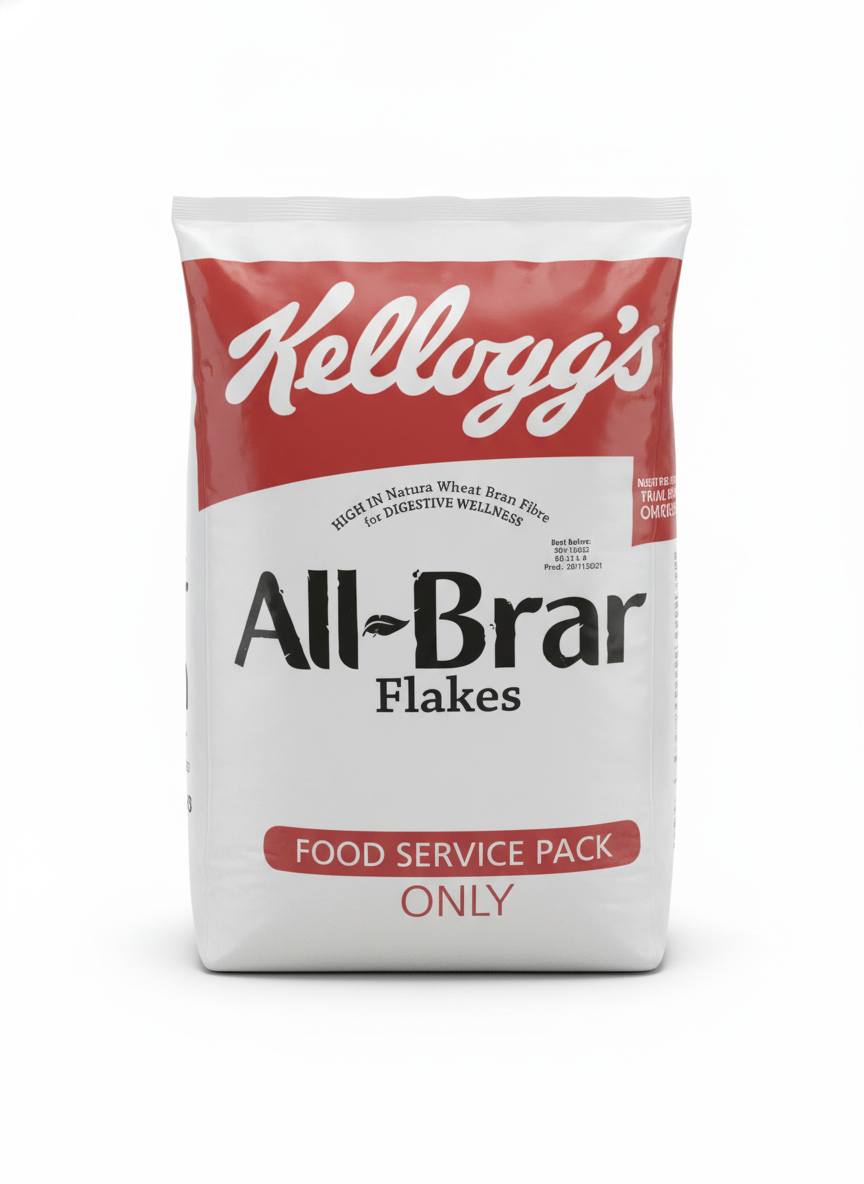
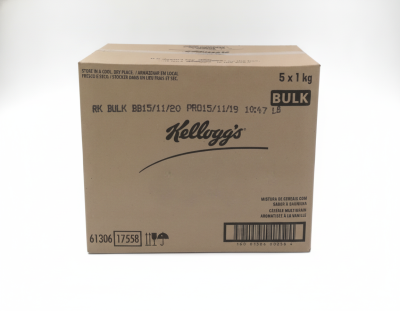
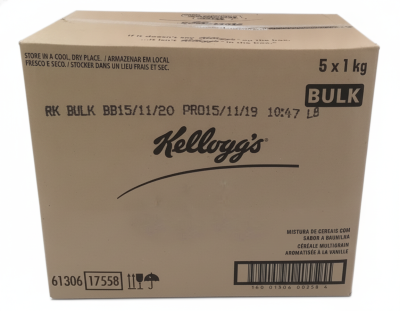
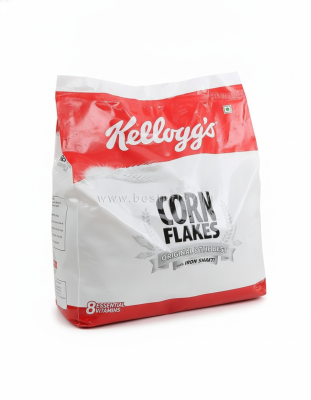
Kelloggs All-Bran Flakes 1kg

Typical Nutritional Information

C NutriRating

Typical values from reference food data. Actual products may vary. (per 100 g)

Nutrient per 100 g
Energy (kJ) 1,370.0
Energy (kcal) 328.0
Protein (g) 9.9
Carbohydrate (g) 80.5
of which total sugar (g) 18.6
Total fat (g) 2.1
of which saturated fat (g) 0.4
Dietary fibre (g) 18.3
Sodium (mg) 540.0
Kelloggs

Kelloggs All-Bran Flakes 1kg

☆☆☆☆☆ No reviews yet.
C
NutriRating
60/100 · Typical values from reference food data. Actual products may vary.
9.9g
Protein (g)
18.3g
Dietary fibre (g)
18.6g
of which total sugar (g)
540mg
Sodium (mg)
R99.95
Kellogg's® All-Bran Flakes is packed with natural goodness. Make Kellogg’s® All-Bran® part of your breakfast routine as it’s a simple and easy way to incorporate wheat bran fibre into your diet. Wheat bran fibre can help you to proactively maintain your digest...
In stock
SKU: Nutri-1743
Category: Breakfast , Cereals
Share:
7-day satisfaction guarantee
Dispatched within one working day of payment
Shipping calculated at checkout
Guaranteed safe & secure checkout
Kellogg's® All-Bran Flakes is packed with natural goodness. Make Kellogg’s® All-Bran® part of your breakfast routine as it’s a simple and easy way to incorporate wheat bran fibre into your diet. Wheat bran fibre can help you to proactively maintain your digestive wellbeing. A bowl of Kellogg's® All-Bran® Flakes is high in fibre and gives you more than 1/3 of your daily fibre requirement
All-Bran is one of the best cereals we could find. Not only does it have low-calorie content but with its fab fibre content, it'll fill you up for the whole morning, so there will be no snacking until lunchtime

Ingredients

General ingredient information for shoppers. Not a laboratory analysis of this product and not medical advice.

whole wheat 3

Whole wheat refers to the entire wheat kernel, including the bran, germ, and endosperm. It's a good source of fiber and nutrients, commonly used in bread, pasta, and cereals for a heartier texture and flavor.

Typical nutrients Typical per 100 g
Protein 13.0 g
Fiber 12.0 g
Iron 3.6 mg

Good for

  • Provides dietary fiber which aids digestion
  • Contains B vitamins and minerals like iron and magnesium
  • Contributes to a feeling of fullness

Watch outs

No major concerns noted for this ingredient.

sugar 1 2

Sugar, typically granulated sucrose, is a common sweetener used in many foods and beverages. It provides a sweet taste and can also contribute to texture and browning in baked goods. It is a source of carbohydrates.

Typical nutrients Typical per 100 g
Carbohydrates 100.0 g

Good for

  • Provides energy

Watch outs

  • High intake may contribute to weight gain
  • Excessive consumption may lead to dental issues
barley malt extract 2 2

Barley malt extract is a natural sweetener made from malted barley. It has a distinctive malty flavor and can be used in baking, beverages, and as a topping for foods like pancakes or yogurt. It's often found in cereals and some snack bars.

Good for

  • Adds a unique malty flavor to foods and drinks
  • Can be used as an alternative to refined sugars

Watch outs

  • Contains gluten, so it's not suitable for those with celiac disease or gluten sensitivity
  • High in sugars, so consume in moderation
salt 2 2

Salt is a mineral composed primarily of sodium chloride, used as a seasoning and preservative in food. It enhances flavor and is essential for many bodily functions.

Typical nutrients Typical per 100 g
Sodium 38,758.0 mg

Good for

  • Essential for fluid balance and nerve function
  • Enhances food flavor

Watch outs

  • Excessive intake can contribute to high blood pressure
  • Limit intake for heart health
vitamins 3 1

Vitamins are essential nutrients that your body needs in small amounts to function properly and stay healthy. They play many roles, from helping your immune system to supporting bone health.

Good for

  • Support various bodily functions
  • Contribute to overall health and well-being
  • Help maintain a healthy immune system

Watch outs

  • Excessive intake of certain vitamins can be harmful; always follow recommended dosages
iron 3 1

Iron is a vital mineral that helps your body make red blood cells, which carry oxygen throughout your body. It's crucial for energy and overall health. Good sources of iron include red meat, beans, spinach, and fortified grains.

Typical nutrients Typical per 100 g
Iron —

Good for

  • Essential for oxygen transport in the blood
  • Supports energy levels and reduces fatigue
  • Important for immune system function

Watch outs

  • Excessive iron intake can be harmful; consult a healthcare professional if considering high-dose supplements
You May Also Like

Related Products