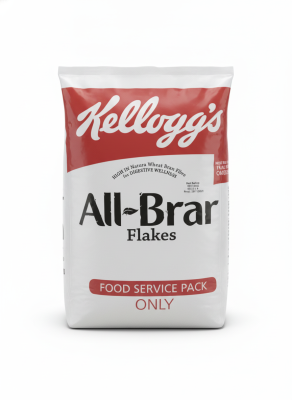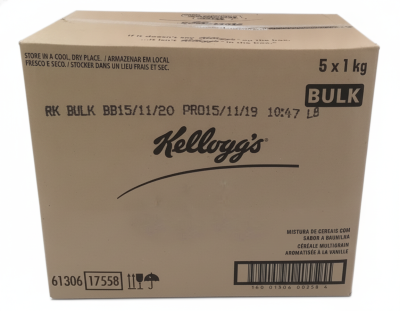

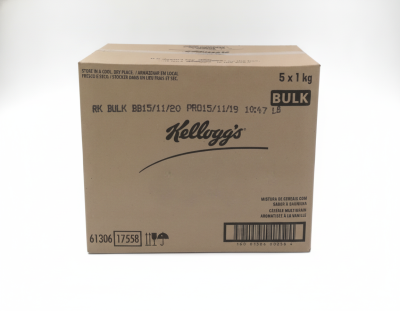
Kelloggs Corn Flakes 12 x 1kg
R1,356.94

Typical values from reference food data. Actual products may vary. (per 100 g)
| Nutrient | per 100 g |
|---|---|
| Energy (kJ) | 1,607.0 |
| Energy (kcal) | 384.0 |
| Protein (g) | 5.9 |
| Carbohydrate (g) | 88.0 |
| of which total sugar (g) | 7.8 |
| Total fat (g) | 0.9 |
| of which saturated fat (g) | 0.2 |
| Dietary fibre (g) | 2.7 |
| Sodium (mg) | 571.0 |
General ingredient information for shoppers. Not a laboratory analysis of this product and not medical advice.
Maize, also known as corn, is a versatile grain used in many forms. It can be eaten as a vegetable (corn on the cob), ground into flour for baking, or processed into cornstarch, corn syrup, and cooking oil. It has a naturally sweet flavor and a satisfying texture.
| Typical nutrients | Typical per 100 g |
|---|---|
| Carbohydrates | 74.0 g |
| Fiber | 7.0 g |
| Protein | 9.0 g |
Sugar, typically granulated sucrose, is a common sweetener used in many foods and beverages. It provides a sweet taste and can also contribute to texture and browning in baked goods. It is a source of carbohydrates.
| Typical nutrients | Typical per 100 g |
|---|---|
| Carbohydrates | 100.0 g |
Barley malt extract is a natural sweetener made from malted barley. It has a distinctive malty flavor and can be used in baking, beverages, and as a topping for foods like pancakes or yogurt. It's often found in cereals and some snack bars.
Salt is a mineral composed primarily of sodium chloride, used as a seasoning and preservative in food. It enhances flavor and is essential for many bodily functions.
| Typical nutrients | Typical per 100 g |
|---|---|
| Sodium | 38,758.0 mg |
Niacin, also known as vitamin B3, is an essential vitamin that helps your body turn food into energy. It's important for many body functions, including supporting your nervous system and digestive health. You can find niacin in foods like chicken, fish, nuts, and fortified cereals.
| Typical nutrients | Typical per 100 g |
|---|---|
| Niacin | — |
No major concerns noted for this ingredient.
Iron is a vital mineral that helps your body make red blood cells, which carry oxygen throughout your body. It's crucial for energy and overall health. Good sources of iron include red meat, beans, spinach, and fortified grains.
| Typical nutrients | Typical per 100 g |
|---|---|
| Iron | — |
Vitamin B6, or pyridoxine, is a water-soluble vitamin involved in over 100 enzyme reactions in the body. It plays a key role in protein metabolism, red blood cell formation, and brain function. Foods rich in vitamin B6 include poultry, fish, potatoes, and bananas.
| Typical nutrients | Typical per 100 g |
|---|---|
| Vitamin B6 | — |
No major concerns noted for this ingredient.
Riboflavin, also known as vitamin B2, is an important B vitamin that helps your body convert food into energy. It's also involved in maintaining healthy skin, eyes, and nerve function. You can find riboflavin in dairy products, eggs, leafy greens, and fortified cereals.
| Typical nutrients | Typical per 100 g |
|---|---|
| Riboflavin | — |
No major concerns noted for this ingredient.
Thiamin, or vitamin B1, is a crucial B vitamin that helps your body use carbohydrates for energy. It's essential for nerve function and muscle contraction. Whole grains, pork, legumes, and nuts are good sources of thiamin.
| Typical nutrients | Typical per 100 g |
|---|---|
| Thiamin | — |
No major concerns noted for this ingredient.
Folic acid is the synthetic form of folate, a B vitamin that's vital for cell growth and development. It's especially important for pregnant women to help prevent certain birth defects. You'll often find folic acid in fortified breads, cereals, and pasta, while natural folate is in leafy greens, fruits, and beans.
| Typical nutrients | Typical per 100 g |
|---|---|
| Folic Acid | — |
No major concerns noted for this ingredient.
Vitamin D is a fat-soluble vitamin that helps your body absorb calcium, making it essential for strong bones and teeth. It also plays a role in immune function. Your body can make vitamin D when exposed to sunlight, and it's also found in fatty fish, fortified milk, and some cereals.
| Typical nutrients | Typical per 100 g |
|---|---|
| Vitamin D | — |
Vitamin B12 is an important nutrient that helps your body make red blood cells and keeps your nervous system working well. It's naturally found in animal products and is often added to fortified foods.
| Typical nutrients | Typical per 100 g |
|---|---|
| Vitamin B12 | 2.4 mcg |
No major concerns noted for this ingredient.