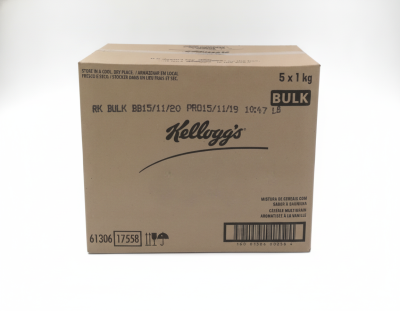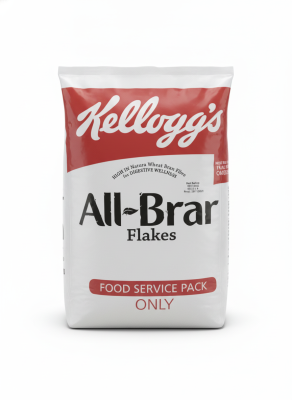
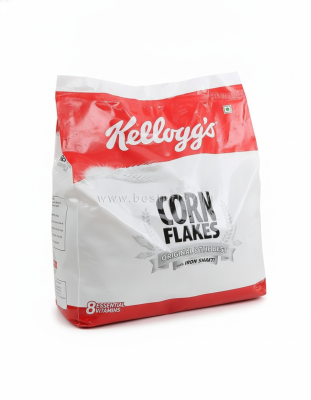
Kelloggs Corn Flakes 1kg
R114.94
Typical values from reference food data. Actual products may vary. (per 100 g)
| Nutrient | per 100 g |
|---|---|
| Energy (kJ) | 1,370.0 |
| Energy (kcal) | 328.0 |
| Protein (g) | 9.9 |
| Carbohydrate (g) | 80.5 |
| of which total sugar (g) | 18.6 |
| Total fat (g) | 2.1 |
| of which saturated fat (g) | 0.4 |
| Dietary fibre (g) | 18.3 |
| Sodium (mg) | 540.0 |
General ingredient information for shoppers. Not a laboratory analysis of this product and not medical advice.
Whole wheat refers to the entire wheat kernel, including the bran, germ, and endosperm. It's a good source of fiber and nutrients, commonly used in bread, pasta, and cereals for a heartier texture and flavor.
| Typical nutrients | Typical per 100 g |
|---|---|
| Protein | 13.0 g |
| Fiber | 12.0 g |
| Iron | 3.6 mg |
No major concerns noted for this ingredient.
Sugar, typically granulated sucrose, is a common sweetener used in many foods and beverages. It provides a sweet taste and can also contribute to texture and browning in baked goods. It is a source of carbohydrates.
| Typical nutrients | Typical per 100 g |
|---|---|
| Carbohydrates | 100.0 g |
Barley malt extract is a natural sweetener made from malted barley. It has a distinctive malty flavor and can be used in baking, beverages, and as a topping for foods like pancakes or yogurt. It's often found in cereals and some snack bars.
Salt is a mineral composed primarily of sodium chloride, used as a seasoning and preservative in food. It enhances flavor and is essential for many bodily functions.
| Typical nutrients | Typical per 100 g |
|---|---|
| Sodium | 38,758.0 mg |
Vitamins are essential nutrients that your body needs in small amounts to function properly and stay healthy. They play many roles, from helping your immune system to supporting bone health.
Iron is a vital mineral that helps your body make red blood cells, which carry oxygen throughout your body. It's crucial for energy and overall health. Good sources of iron include red meat, beans, spinach, and fortified grains.
| Typical nutrients | Typical per 100 g |
|---|---|
| Iron | — |